As spring approaches, it’s time to get your yard in shape for the warmer months ahead. Whether you’re in Madison, WI, shaking off a long winter, Chicago, IL, preparing for unpredictable weather, or Austin, TX, where spring is already in full bloom, outdoor maintenance is key. From adding new decorations, to clearing away debris, to planting new flowers and managing weeds, now’s the perfect time to refresh your yard. If you’re feeling overwhelmed with where to start, don’t worry — this guide offers expert tips to help you tackle your outdoor to-do list and get your yard ready for spring.

Prepare your lawn
Spring is the perfect time to refresh your landscape and bring your outdoor space back to life. “As temperatures warm up, it’s important to prepare your lawn and garden by cleaning up debris, pruning plants, refreshing mulch, and laying fresh sod for a vibrant, healthy lawn,” saysLouis Silva, president of Sod Depot. “Focusing on high-quality materials suited to your local climate can help create a thriving landscape this season.”
“One of the best ways to prepare your yard for spring is to start with a deep clean-up and soil revitalization. Clear away debris, trim overgrown plants, and dethatch your lawn to promote healthy new growth. Aeration is also essential, especially in high-traffic areas, as it improves soil structure and allows water, air, and nutrients to reach the roots more effectively. Follow up with a pre-emergent herbicide to prevent weeds and a slow-release fertilizer to jumpstart your lawn’s growth. These early steps ensure a lush, green lawn all season long.” – Jason Schiffman, CEO, Fort Liberty Lawn
Start early
One of the best ways to make sure your lawn is adequately prepared for the spring is to start as early as possible. Getting ahead of the growing season can make yard work a lot simpler.
Mike Primer of How to With Doc provides a few steps that you can take to make sure that your yard is ready for springtime. “First, apply a preemergent in early spring to prevent the need for weed killers later in the year. Now is the time to prevent weeds and crabgrass, rather than battle them later. Second, apply a balanced fertilizer (16-4-8) when temperatures are consistently in the 70s. It’s better to apply lighter coats with a product like PGF Complete. Third, don’t be afraid to cut your lawn very short and remove any dead or brown grass while temperatures are cool. This can be done safely in the cooler spring temps, but when summer arrives, it may expose your lawn to stress.”
But be careful and make sure not to start too early. Elana Berk of Sustainable Princeton warns that we should wait to clean up your garden until temperatures are consistently above 50 degrees. “Our yards aren’t just “in” the ecosystem — they are the ecosystem. Did you know that many butterflies, bees, and other pollinators overwinter in the dead leaves and hollowed-out stems of last year’s plants? If you clean out your garden too early, you could destroy this year’s butterflies, bees, and other beneficial pollinators.”
Keep weeds under control
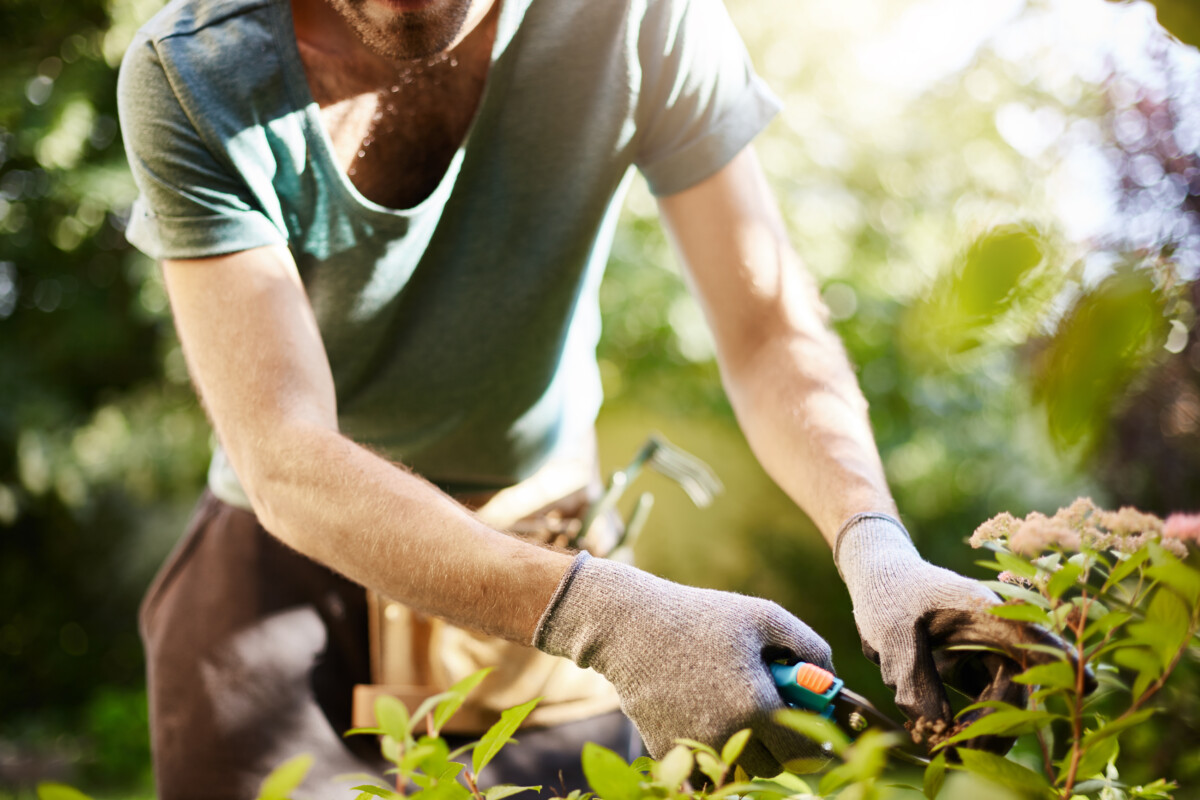
When it comes to managing weeds, it’s important to tackle the problem early and effectively. While some methods may rely on eco-friendly solutions, others focus on taking action at the right time to prevent weeds from taking root. Here, experts share their advice on how to manage weeds in your garden while ensuring long-term success.
“Did you know you can use cardboard as an environmentally friendly material to manage weeds? Simply cover the weeds with cardboard with plenty of overlap and distribute a thick, 3-4-inch layer of mulch on top of the cardboard. Be sure to wet the cardboard and the mulch thoroughly. Unlike petroleum-based weed fabric, the cardboard will eventually turn into soil after it has suppressed the existing weeds.“ – Hudson Soules, Owner, Soules Landscapes
“We recommend skipping the toxic herbicides this spring — many popular weed killers contain harmful chemicals linked to serious health risks. Instead, try a simple, nontoxic DIY weed spray: mix ½ gallon of strong white vinegar (20% acetic acid), 1 tbsp natural dish soap, and ½ cup of salt (optional) in a spray bottle. The vinegar kills weeds on contact, while the soap helps it stick. Use salt only in areas where you never want plants to grow. This eco-friendly alternative protects your health, local wildlife, and soil quality while keeping your yard weed-free.” – Jen Stout, Co-Founder, Healthier Homes
“Weeding early, ideally right after the first leaves of weeds appear, often is the simplest way to minimize the weeding you will need to do throughout the year. Like most plants, weeds use a lot of energy stored through the winter months to push up that first sprouting of leaves early in the year. The leaves then transform sunlight into energy for the weed’s growth. The less energy the weed gets from sunlight to grow and rebuild its stored energy supply, the weaker the weed will be.” – Seth Pauley, Red Pig Garden Tools

Choose flowers that thrive in Spring
- “Overseeding always works, as does site selection and preparation. Most flowering annuals and perennials enjoy sunny environments, though some prefer shade. Plant diversity is a hedge against poor planning, improper species selection, and even plant disease.” – Ashley Hagan Binder, Hagan Binder Landscape Architects
- “When selecting flowers for spring, include early, mid, and late blooming varieties for a vibrant display throughout the season, creating a beautiful oasis that attracts visitors and pollinators. Consider shade-loving flowers, such as Virginia bluebells, for the darker areas, while opting for vibrant blooms like bachelor buttons in sunnier locations. Remember to add flowering perennials like yarrow, black eyed Susan’s, and purple coneflower alongside your annual spring selections, as they enhance both the beauty and value of your garden over time.” – Jenny Dixon, South GA Seed Co.
- “Be cautious when planting spring flowers directly in the ground — wait until there’s no chance of frost or you’ll need to cover them. Container gardens, however, can be planted earlier and moved indoors if frost is expected. Ensure good drainage by adding small stones at the bottom before adding soil to prevent root rot. Water your plants properly and always choose ones with healthy foliage over those with blooms but weak leaves.” – Robin Grant, Robin’s Nest Florist
- “To support pollinators in early spring, plant a mix of flowers that bloom in succession, like crocuses, daffodils, fritillaria, and grape hyacinths for early nectar, followed by bee balm and coneflowers later in the season. This provides a continuous food source for bees and butterflies while keeping your garden in bloom. Hold off on clearing plant debris too soon — many insects overwinter in leaves and stems and need time to emerge. Once temperatures reach 50°F, you can tidy up, or leave the leaves as natural mulch.” – Amy Bauer, Front Yard Veggies

- “Choose flowers suited to the right light conditions and plant them with proper spacing for healthy growth. Annuals provide vibrant blooms until frost, while knock out roses offer long-lasting color through fall.” – Terri Joyce, Designer; Liz Cal, Designer and Co-Owner, King William Florist
- “Nothing says spring like flowers. If you’re eager to see blooms (and attract pollinators) by mid-spring, choose low-maintenance plants with vigorous growth that thrive in cool temperatures. California and breadseed poppies, marigolds, and borage (a flowering herb) all mature quickly, tolerate moderate temperatures, and add beauty to any space.” – Sara Friedl-Putnam, Managing Editor, Seed Savers Exchange
- “Spring brings warmer weather and beautiful blooms around the home! Tulips, hyacinths, and daffodils are lovely perennials that start blooming in late March and add beauty for months. Cherry blossoms thrive in sunny spots with well-drained soil. For indoors, the peace lily is a low-maintenance plant that purifies the air and flourishes in both direct and indirect sunlight.” – Heather, Flower Creations Rolesville
If you’re wondering which spring blooms to plant and when, Karrie Hlista of Heritage Floral Shoppe has a suggested schedule to work from. “When choosing flowers for spring that will bloom for a long time in your garden and also be great for a cutting garden, you’ll want to focus on varieties that are both beautiful and durable, providing blooms over several weeks to months. Here are some top choices:
- Bleeding heart (dicentra spectabilis) bloom time: Late spring to early summer
- Grape hyacinth (Muscari) bloom time: Early to mid-spring
- Tulips bloom time: Early to late spring, depending on the variety
- Peonies bloom time: Late spring to early summer
- Lilacs (Syringa) bloom time: Mid to late spring
- Anemone bloom time: (anemone coronaria) early to mid-spring
- Clematis bloom time: spring to early summer.”
Add style and function
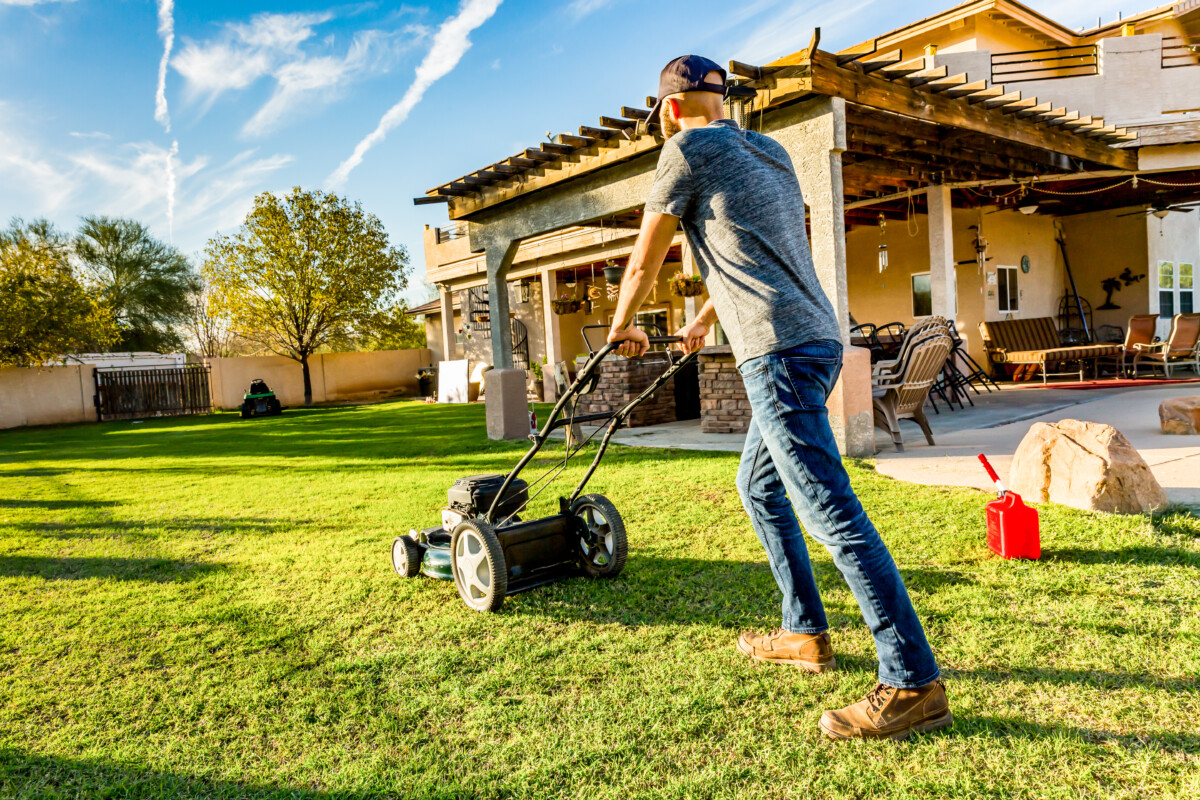
To create a truly functional and beautiful outdoor space, consider incorporating elements that blend both style and practicality. Thoughtfully chosen features can elevate your yard, making it not only visually appealing but also more usable.
Daniel of Momo Lifestyle suggests a few ideas for integrating thoughtful design elements into your yard. “Add architectural flair with stone pathways or a pergola, blending style and utility. For pool owners, a Large Stone Bath Mat Drytomita® at entry points dries feet naturally while enhancing aesthetics. This creates a functional, stunning outdoor space.”
Invest in garden tools
In order to prepare your yard for spring and keep your lawn looking its best, it’s essential to have the right tools for proper care and maintenance. Whether you’re seeding, turfing, or applying a top dressing, the right equipment can make all the difference in achieving a professional finish. Investing in quality tools designed for specific tasks ensures a more efficient and lasting result.
Tiffany Huang, managing director of Manson Industrial, offers some information about a tool that works for her. “The Lawn Lute Leveller is the ultimate tool for seeding, turfing, or applying a pristine top dressing to your lawn during spring and autumn. A handle pivoting clevis connection allows the handle to lie flat, giving maximum reach while leaving this garden tool flat on the lawn. It’s made from stainless steel for a corrosion-free life span. Lawn Lute Leveller is made by Manson Industrial, a garden tool and homeware designer and manufacturer.”
By following these expert tips, you’ll ensure that your yard is healthy and thriving throughout the season. Starting early with a clean-up, managing weeds effectively, and selecting the right flowers will help create a vibrant and welcoming outdoor space. Whether you’re dealing with unpredictable weather or already enjoying warmer temperatures, now’s the time to put in the effort for a beautiful spring landscape.