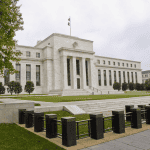
This Week In A Nutshell: Rates are elevated and likely to remain volatile with risks on three fronts: oil prices, AI-driven inflation, and a newly unpredictable Fed.
Upcoming Attractions
This week will be all about the Fed with Kevin Warsh’s second meeting as chair on Wednesday. There is an unusual level of uncertainty regarding what they will do with futures markets forecasting about a one-third chance of a hike. Since the financial crisis, the Fed has generally preferred to telegraph their actions in advance to avoid surprising the market. Indeed, in June 2022, the Fed leaked that they were going to hike more than markets expected days before the meeting in order to reset market expectations. The two-day FOMC meeting itself is actually usually a well choreographed affair with the real action coming in the meetings before the meeting. But Chair Warsh has made it clear that he prefers more surprises and more “family fights”. Ultimately, because the jobs and inflation data for June came in surprisingly mild, it’s difficult to see the Fed actually hiking, but there will likely be a couple of dissents in favor of higher rates even as the committee votes to hold, postponing the debate to the September meeting.
The day after the Fed meeting, on Thursday, we will get Q2 GDP data as well as June core PCE data. GDP is expected to tick up from Q1 and core PCE should show a small decline in inflation.
Last Week’s Highlights
Geopolitics once again took center stage. Energy prices surged again as investors lost faith in prospects for peace with Iran. It’s become clear that there is no easy quick off ramp and oil risks are not going away. For mortgage rates, however, the story is becoming less about how many ships are passing through the Strait of Hormuz. That’s because, unlike a few months ago, it’s no longer just oil pricing pressuring rates. It’s also a stronger economy (partly driven by AI) and a Fed that’s become increasingly impatient with inflation.
The White House also announced a slew of new tariffs. Though some were eye-catching (e.g., 50% on some Canadian exports), ultimately, these were mostly expected and, because they replace some expiring tariffs, do little to change the average effective tariff rate.
While it was a slow week for economic data, we shouldn’t ignore jobless claims, which fell to their lowest level since 1969. There are a number of methodological factors that indicate this could be mostly noise, but it’s also in line with the broader set of data that all point to a stronger than expected labor market and economy.
Redfin Most Recent Housing Market Reports
- Weekly Update: Pending Home Sales Fall to 3-Month Low
- Redfin Home Price Index: U.S. Home Prices Rose 0.3% From a Month Earlier in June
- Fire-Prone Parts of Rural Northern California Are Losing Residents, Bucking National Trend
- Nashville Sellers ‘Need to Pack Their Patience’ For a Housing Market That Now Strongly Favors Buyers
- From Bust to Boom: San Francisco Home Prices Are Now $1 Million Higher Than Housing-Crash Bottom
- Most Americans Say “Not in My Backyard” to AI Data Centers
- House Hunters Value Clean Air in Their Homes More Than Views and Other Luxuries