Whether you’re a first-time homebuyer or seasoned real estate investor, buying a home is an exciting and big decision. But before you dive too deep into buying new furniture or appliances, you’ll want to budget for closing costs.
Closing costs are the fees and expenses associated with finalizing a real estate transaction and transferring ownership of a property from the seller to the buyer. To help prepare you for the final steps of the homebuying process, this Redfin article will break down how much closing costs are in New Jersey, who pays for them, and what costs you can expect to pay as a buyer and as a seller.

How much are closing costs in New Jersey?
Before securing the keys to your new home, homebuyers will need to pay for closing costs. Generally, closing costs in New Jersey are anywhere from 2%-5% of the home’s purchase price. But it’s important to remember that this is just a range and the total amount will depend on various factors, such as the purchase price of the home, the type of loan, and any adjustments negotiated with the seller.
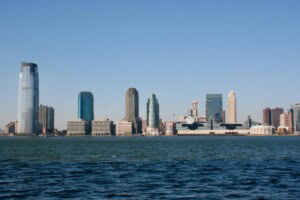
For example, if you’re buying a home in Newark, which has a median sale price of $559,000, closing costs could range anywhere from $11,180 to $27,950. Or, let’s say that you’re buying a home in Hoboken, which has a median sale price of $875,000. Closing costs for a home here could range from $17,500 and $43,750.
Who pays closing costs in New Jersey?
Typically, both buyers and sellers can expect to pay closing costs. But, each party’s closing costs amount will vary depending on what they are required to pay. Another thing to keep in mind is that buyers typically pay for closing costs out of pocket, while the seller’s closing cost payments are often deducted from the home sale proceeds.
Buyer closing costs in New Jersey
Closing costs in New Jersey for buyers typically range from 2%-5%. In most cases, you’ll pay earnest money, typically 1% to 3% of the home price, upon reaching mutual acceptance in your home purchase. This deposit is subtracted from your closing costs, reducing the total amount due at closing. Below are some of the common closing costs paid for by the buyer:
- Appraisal fee: Your mortgage lender will require a home appraisal to ensure the home value is equal to or more than the loan amount. Home appraisals typically cost between $300 and $500, depending on location. If you pay at the time of service, it will not be included in your closing costs.
- Inspection fee: Although not required, a home inspection is highly recommended. Home inspections generally range from $300 to $500 in cost and are usually paid at the time of service. However, if not, it will need to be paid at closing.
- Loan origination fee: Some lenders charge a fee for creating your loan. As you shop around for lenders, inquire about what it covers and whether it’s negotiable to avoid high fees.
- Loan processing fee: In addition to the origination fee, your lender may also charge a fee for processing your loan. This typically covers underwriting and related services. It’s recommended to discuss this fee with your lender to understand what this fee covers and if it can be waived.
- Loan discount points: If you’ve purchased points to lower your interest rate, you’ll usually pay a one-time fee at closing. Each point can lower your rate by 0.25% to 0.5%. Consider your long-term plans, such as how long you plan to own the home or if you plan to re-finance, before purchasing points.
- Private mortgage insurance (PMI): Required for down payments under 20%, PMI might involve an upfront fee at closing, depending on the loan type. It’s usually part of your monthly payment, but some loans offer the option to pay it as a one-time fee.
- Title insurance: Title insurance is a one-time closing cost, with buyers commonly paying for both lender and owner policies.
- Homeowners insurance: In New Jersey, your annual homeowner’s insurance premium may be part of your closing costs.
- Homeowners Association dues: If your property is part of a homeowners association, you’ll likely pay one month’s dues upfront at closing. These fees vary and contribute to maintenance and operational costs.
- Property taxes: As part of closing costs in New Jersey, you may be required to prepay a portion of your property taxes at closing.
Seller closing costs in New Jersey
How much closing costs are in New Jersey for sellers will vary between each transaction, but here are some of the common fees and costs covered by sellers:
- Real estate agent commission fees: These fees can be a significant cost for sellers. Commission fees may vary and are subject to negotiation. Sellers should discuss their options with their agent.
- Homeowners Association fees: If the property is part of an HOA, the seller may need to pay a variety of fees. These can include HOA transfer fees, outstanding dues, and possibly a fee for obtaining HOA documents required by the buyer. The exact fees will depend on the HOA’s rules and regulations.
- Property taxes: Sellers are responsible for any property taxes that have accrued but not yet been paid up to the closing date. These unpaid property taxes are typically prorated for the months that you owned the property.
- Title insurance: Sellers typically cover the cost of the buyer’s owner’s title insurance policy. This policy protects the buyer from any potential title issues that may arise after the property is sold. The cost of title insurance can vary but is generally based on the property’s sale price.
- Transfer taxes: In New Jersey, sellers are responsible for paying state and possibly local transfer taxes. These taxes are typically a percentage of the property’s sale price and can vary widely by jurisdiction.
Median home sale price data from the Redfin Data Center during July 2024.