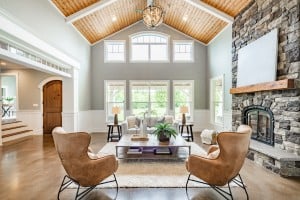
Victorian homes are known for their ornate details, historic character, and craftsmanship that can be difficult to replicate in newer construction. But when it comes to increasing the resale value of a Victorian home, homeowners need to strike the right balance between preserving what makes the property special and making thoughtful updates for modern living.
In this Redfin guide, we’ll explore how to preserve a Victorian home’s architectural identity while improving its comfort, functionality, and market appeal. Whether you’re preparing for a sale in San Francisco, CA or restoring a historic property in Boston, MA, these strategies can help you enhance your home’s character and appeal to buyers wherever you live.
In this article:
What is a Victorian-style home?
Modernize kitchens and bathrooms while preserving character
Make the floorplan work for modern buyers
Invest in structural upgrades that build buyer confidence
Focus on updates that complement the home’s historic identity
Showcase historic details with thoughtful design choices
Use paint, storage, and staging to highlight the home’s best features
How to increase the resale value of a Victorian home
What is a Victorian-style home?
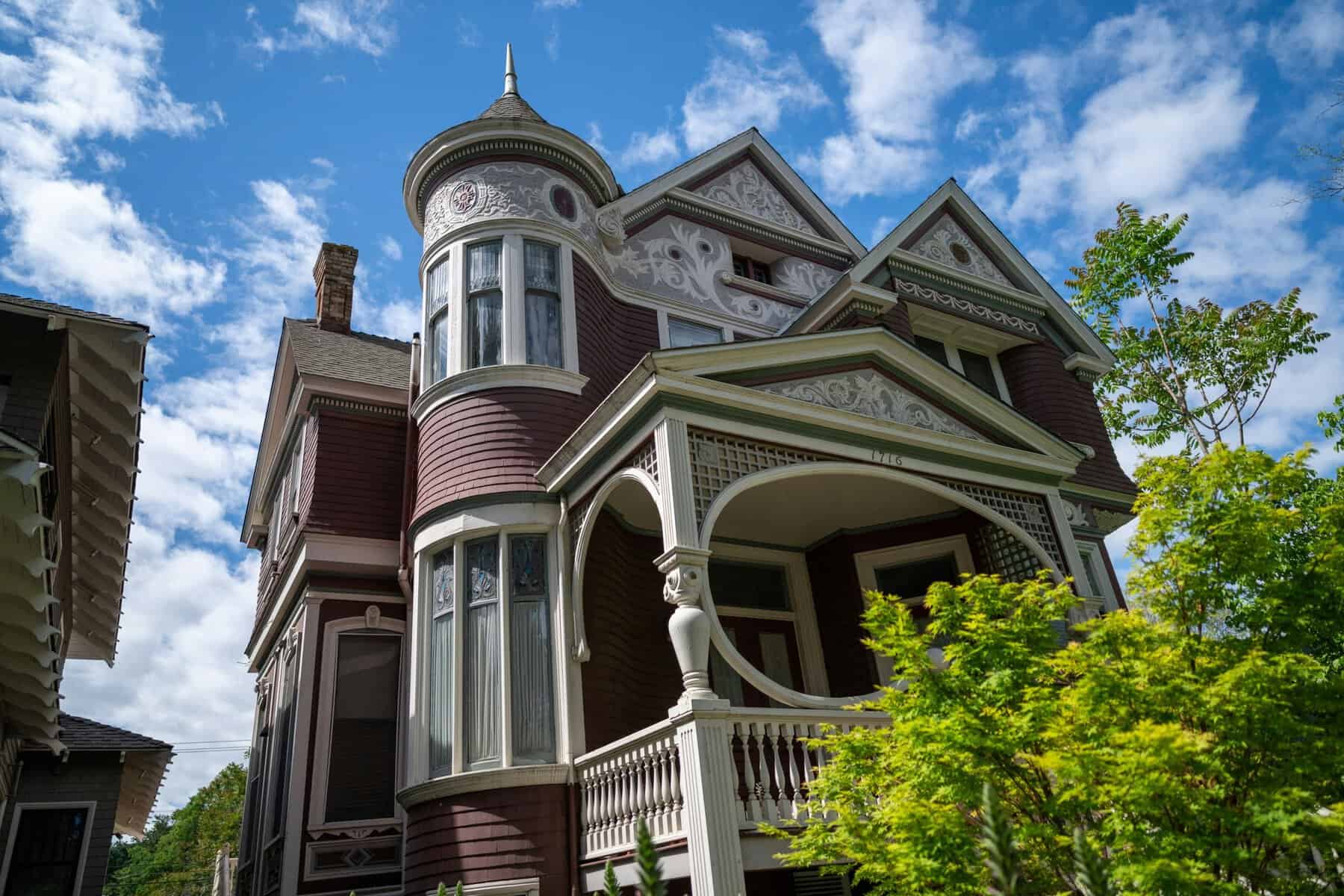
Victorian-style homes are known for their intricate craftsmanship, ornate architectural details, and unmistakable curb appeal. Built during the Victorian era (roughly 1837 to 1901), these homes often feature decorative trim, steep rooflines, stained glass windows, bay windows, wraparound porches, and detailed woodwork that make them stand out from newer construction.
While no two Victorian homes are exactly alike, many include original features such as:
- Ornate woodwork, trim, and millwork
- Decorative staircases and banisters
- Stained glass windows
- Pocket doors
- Fireplace mantels and surrounds
- Ceiling medallions and decorative moldings
- Bay windows and wraparound porches
- Original hardwood floors and built-in cabinetry
“Buyers shopping for Victorian homes aren’t looking for a brand-new house – they’re looking for history without the headaches,” says Mike Sutley at Lexy Realty Group. “The highest resale values usually come from homes that preserve their architectural identity while quietly upgrading everything behind the walls, giving buyers confidence they won’t inherit expensive surprises after closing.”
>>See: The Evolution of House Styles Across America
Modernize kitchens and bathrooms while preserving character
Kitchens and bathrooms are often the first spaces buyers evaluate, making them some of the most impactful rooms to update before selling. In a Victorian home, however, the goal isn’t to replace every historic detail with sleek, modern finishes. Instead, focus on creating spaces that feel fresh and functional while complementing the home’s original architecture.
“When increasing the resale value of a Victorian home, the key is to preserve the architectural details that make the property special while making thoughtful updates that complement its original features and enhance the overall living experience,” states Jackson at AMSI Real Estate. “Improvements to the kitchen, bathrooms, and major systems can provide modern comfort and peace of mind. The most successful renovations balance historic charm with the functional needs of today’s buyers.”
When updating kitchens and bathrooms, consider improvements that enhance everyday living without making the spaces feel disconnected from the rest of the home.
Thoughtful upgrades can include:
- Replacing outdated plumbing fixtures with classic or period-inspired designs.
- Installing durable countertops and cabinetry that complement the home’s historic character.
- Improving lighting while highlighting original architectural details.
- Refreshing worn finishes instead of removing original woodwork or trim whenever possible.
- Upgrading appliances and ventilation for modern convenience.
Make the floorplan work for modern buyers
Many Victorian homes were built at a time when families used their homes differently than they do today. While formal dining rooms, separated living spaces, and long hallways were once the norm, many modern buyers prefer brighter, more connected layouts that make entertaining and everyday living easier. The key is finding ways to improve the home’s flow without sacrificing the architectural details that give it its charm.
“The best way to increase resale value on a Victorian is to keep the period details intact, because Victorians are quintessentially San Francisco and buyers love that detail,” says Ruth Krishnan, San Francisco real estate agent. “One piece is the floor plan: the shotgun layout with separated rooms and a dark hallway is not what buyers want. Opening up the entertaining level so the living room flows into the dining room and kitchen puts the living space in one place, and that’s highly sought after.”
If you’re considering layout changes, focus on updates that improve functionality while respecting the home’s historic design. For example, you might:
- Open sightlines between the living room, dining room, and kitchen where structurally appropriate.
- Restore period details, such as wainscoting or decorative trim, if they’ve been removed over the years.
- Increase natural light by widening interior openings or updating lighting in darker hallways.
- Preserve distinctive architectural features, even if the layout is adjusted for better flow.
>>Read more: What Makes a Floor Plan Feel Outdated?
Invest in structural upgrades that build buyer confidence
Victorian homes may be full of charm, but buyers also want reassurance that the home is structurally sound. Major improvements like foundation work, drainage upgrades, waterproofing, and replacing outdated electrical systems aren’t always visible during a showing, but they can have a significant impact on a home’s resale value.
“Most Victorian homes sit on brick-lined foundations, which often makes new buyers hesitate, especially in earthquake-prone regions like Northern California,” Victor Mezhvinsky, founder of FORMA Construction suggests. “One of the things that adds a lot of value and lowers insurance costs is a full foundation replacement. They typically accomplish this by lifting the house on cribbing towers that look like Jenga blocks and working with an engineering partner to develop a solution, depending on whether the home is on a hillside or a flat lot. We also take this opportunity to upgrade all the mechanical systems, including foundation and perimeter drainage, waterproofing, electrical, etc., since many of these homes were built with knob-and-tube wiring that has become a fire hazard and is often uninsurable.”
If you’re planning major renovations, consider prioritizing improvements like:
- Replacing or reinforcing aging brick foundations when necessary.
- Upgrading outdated electrical systems, especially knob-and-tube wiring.
- Improving foundation drainage and waterproofing to help protect the home from moisture damage.
- Addressing aging plumbing or other mechanical systems while major structural work is underway.
- Restoring original architectural elements, such as moldings and wood-framed windows, with historically appropriate materials whenever possible.
Focus on updates that complement the home’s historic identity
When renovating a Victorian home, it’s easy to get caught up in the latest design trends. But unlike many other home styles, Victorian homes derive much of their value from the craftsmanship and architectural details that make them one of a kind. Instead of trying to make the home look brand new, focus on updates that preserve its historic identity while improving comfort, safety, and functionality.
“The biggest mistake I see is homeowners stripping away the details that make a Victorian home special. Buyers pay a premium for original woodwork, staircases, stained glass, pocket doors, and trim because those features can’t easily be recreated,” states Mike Sutley. “Spend your renovation budget modernizing what buyers expect – electrical, plumbing, HVAC, kitchens, and baths – while preserving the craftsmanship that gives the home its character.”
>> Check out: Buying a Historic Home: What to Know Before You Buy and How to Preserve It
Showcase historic details with thoughtful design choices
One of the easiest ways to increase a Victorian home’s appeal is to draw attention to the architectural details that make it unlike any other home. Instead of treating these features as relics of the past, make them the focal point of your design. Thoughtful paint colors, complementary finishes, and carefully chosen decor can help showcase the craftsmanship that buyers are often hoping to find in a historic home.
“Highlight beautiful elements like ceiling medallions, anaglypta wallcoverings, and other architectural details we can’t easily recreate today,” shares Sherri Howe, founder of Team Howe. “Don’t be afraid to embrace color to make them pop better than stark white ever could. Pair these features with modern systems in areas like kitchens and bathrooms so that buyers can enjoy the best of both worlds.”
When highlighting your home’s historic character, consider design choices that enhance – not compete with – its original architecture:
- Use paint colors that emphasize decorative trim, ceiling medallions, and intricate moldings instead of defaulting to an all-white palette.
- Showcase unique period details, such as anaglypta wallcoverings, stained glass, built-ins, or decorative fireplaces, as focal points.
- Choose furnishings and decor that complement the home’s historic style without making it feel like a museum.
- Blend preserved architectural details with updated kitchens, bathrooms, and major systems to create a home that’s both beautiful and functional.
Use paint, storage, and staging to highlight the home’s best features
Once you’ve completed any major updates, the finishing touches can make a lasting impression on buyers. These relatively simple improvements can also make an older home feel brighter, more functional, and move-in ready.
“Fresh paint can highlight original millwork and architectural features, while thoughtful storage solutions and improved flow between rooms can make the home more functional,” explains Judson Gregory. “In addition, careful property preparation and beautiful staging help buyers appreciate both the home’s historic character and how comfortably it can support modern life.”
Before listing your Victorian home, consider these finishing touches:
- Use fresh paint to draw attention to original millwork, trim, and other architectural details rather than covering them up.
- Add smart storage solutions that improve everyday functionality while blending seamlessly with the home’s historic style.
- Arrange furniture to emphasize natural gathering spaces and improve the flow between rooms.
- Stage the home with decor that complements its period character while helping buyers imagine modern living.
- Complete small repairs and present a clean, well-maintained home to reinforce buyer confidence.
How to increase the resale value of a Victorian home
Increasing the resale value of a Victorian home is all about preserving the architectural details that make it unique while making thoughtful updates that suit modern buyers. From restoring original craftsmanship and updating major systems to improving functionality and staging the space, strategic improvements can help your home feel both historic and move-in ready. By balancing character with modern comfort, you can protect what makes your Victorian home special while making it more appealing to today’s buyers.