For many aspiring homeowners in Massachusetts, building a custom home represents the ultimate way to own a property that perfectly aligns with their lifestyle and aesthetic preferences. However, the path from an initial concept to a completed structure can range from 12 to 18 months and can come with complexities.
Prospective builders must balance their vision with the logistical realities of building a home in the Northeast. Understanding the typical duration of this process—and the variables that can either accelerate or stall it—is essential for effective planning and financial management. This Redfin guide breaks down the essential components of the Massachusetts home-building timeline, providing a comprehensive overview for those ready to embark on this journey.
What is the general timeline for building a house in MA?
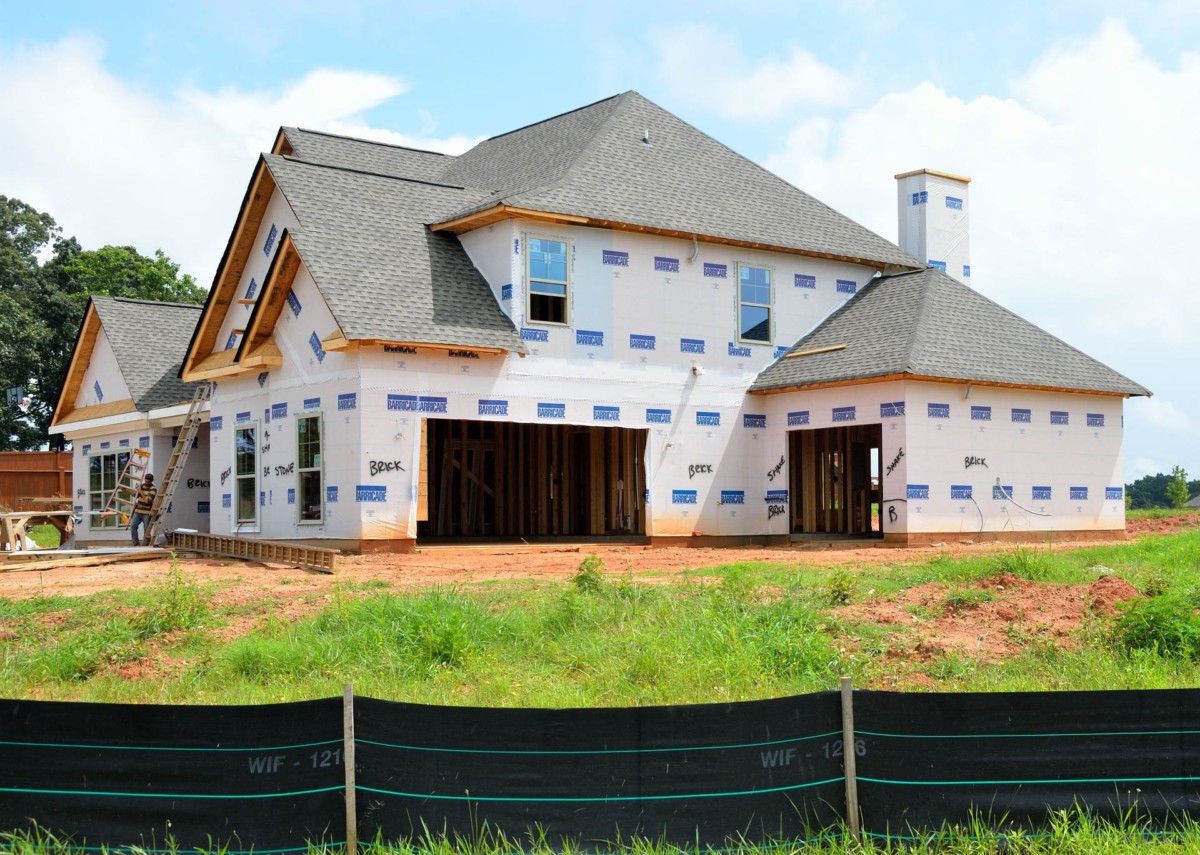
The timeline for building a home in the Bay State is rarely a straight line. It involves several distinct phases: design, financing, permitting, and the physical construction itself. Each of these stages carries its own set of potential hurdles, and we’ll take a closer look at each of them. While some projects may move swiftly, others can take years to reach completion. By consulting with local experts and understanding the regional nuances of the Massachusetts real estate market, home buyers can develop a realistic expectation for when they can finally move into their new residence.
1. Financial foundations
Before the first shovel hits the ground, the choice of financing can set the pace for the entire project. While traditional banks are a common route for many home buyers, their rigid underwriting processes and disbursement schedules can sometimes create bottlenecks in the early stages of a build. Specialized financing options can offer a more streamlined path to project commencement, especially for those working on tight schedules or complex site developments.
The team at SFR Analytics, a product now part of The Mortgage Office, explains that the type of lender you choose has a measurable impact on your project’s start date. They state, “For people building new houses in Massachusetts, choosing the right type of lender can significantly affect the timeline. There are specialty lenders called ‘Private Lenders’ who focus on financing new construction and large renovation projects. These lenders typically speed up new construction projects by approximately 6 weeks by closing quicker, disbursing construction funds faster, and generally being more nimble than banks.”
For a home builder, this 6-week advantage can be critical, particularly when trying to align construction milestones with seasonal weather windows. Choosing a lender that offers construction loans and understands the specific cadence of home-building projects can prevent potential work-stop delays that can occur when using a traditional bank.
2. The permitting marathon
In Massachusetts, the period before construction begins is often as long as the construction phase itself. The permitting process is notoriously rigorous, especially in older municipalities with established local boards and deep historical roots. This phase is rarely just a matter of filing paperwork; it involves navigating complex zoning requirements and community standards that vary significantly from one town to the next. Whether you are building in a densely populated suburb like Somerville or a rural coastal town like Westport, the regulatory environment will dictate your schedule.
Hudson Santana, president and CEO of Santana Team, provides a realistic window for this phase. He notes, “In general, the permitting process takes about 6 to 12 months, with another 12 to 14 months for construction.” This extensive lead time is often due to the nature of the available land. Santana explains, “In Massachusetts, most building projects don’t begin with an empty lot. Instead, they typically involve tearing down an existing structure and rebuilding on the same lot or renovating an existing home. Many existing homes are legally non-conforming under current zoning requirements, which can make the approval process more complicated.”
Furthermore, the environmental and historical context of the Bay State adds layers of oversight. According to Santana, “Permitting can also be delayed by local historic preservation requirements, wetlands or conservation restrictions, tree ordinances, and energy-efficiency standards.” Navigating these requires a team of professionals—architects, engineers, and sometimes legal counsel—who can represent your project at public hearings and ensure that every detail of the design complies with local bylaws.
3. Construction timelines
Once the permits are secured, the physical transformation of the site begins. The timeline for this stage remains fluid, influenced by the complexity of the architectural design and the methods used by the builder. Expert estimates for this phase vary, highlighting that “standard” timelines are often the exception rather than the rule in the Massachusetts market. Home builders must be prepared for a process that demands both technical precision and administrative patience.
Chris Benney, certified master inspector and owner of Cosmic Property Inspections, observes that the total duration from concept to completion is substantial. He states, “Building a house in Massachusetts commonly takes approximately 12 to 18 months from the initial design and permitting stages through final completion, although every project is different.” This estimate accounts for the coordination required between various trades and the inevitable pauses for municipal inspections that must occur before the project can advance to the next stage.
Bryan Webb, national board-certified inspector and president of Webb Property Inspections, offers a more granular look at the construction phase itself, but warns against excessive speed. He notes, “Building a home in Massachusetts could take as little as 60 days and could take as long as a year. The average would probably be somewhere around 120 days.” However, he emphasizes that faster is not always better.
4. Labor and logistics
The availability of skilled labor is currently one of the most volatile variables in the home-building equation. Even with a well-funded project and a signed contract, the actual pace of work depends on the stability and staffing levels of the subcontractors hired by your general contractor. The Massachusetts construction industry is currently navigating a period of significant transition and scarcity, which frequently results in unexpected gaps in the schedule.
Hudson Santana of Santana Team adds that this is not limited to general labor and affects specialized fields as well. He notes, “The construction industry is also experiencing a labor shortage, especially among skilled craftspeople in trades like carpentry and tile installation. One common source of construction delays is utility installation for natural gas and electrical lines and meters.” When utility companies and specialized trades face their own backlogs, the homeowner can be left waiting for weeks just to get a meter installed or a connection finalized. Understanding that your builder is managing these external labor pressures is key to maintaining a professional working relationship throughout the build.
5. Site-specific challenges
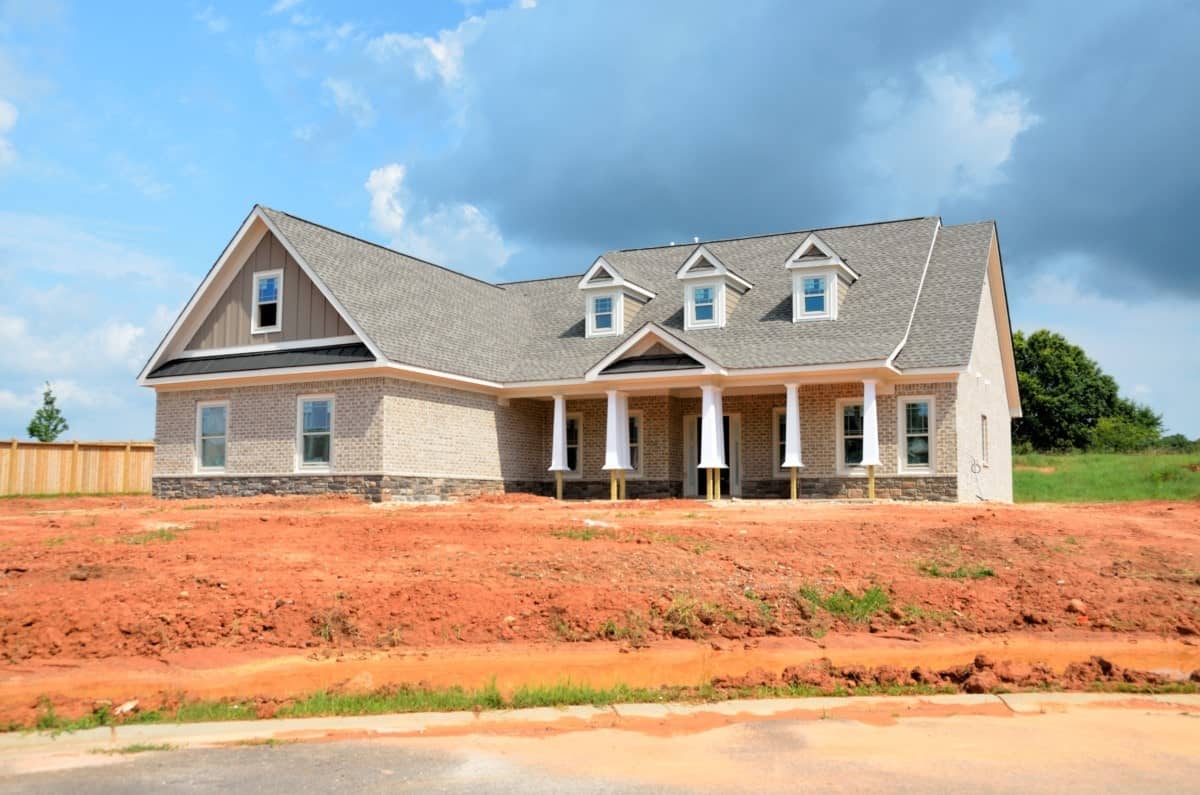
Beyond the paperwork and the labor market, the physical land of Massachusetts itself often presents obstacles. The state’s diverse geography—from the rocky coast to the mountainous west—means that what lies beneath the surface can drastically alter a timeline. Excavation is frequently the stage where the most “surprises” occur, ranging from hidden boulders to complicated water tables that require specialized engineering solutions.
The team at Pegasus Home Buyers emphasizes that these conditions are a leading cause of delays. They state, “Some of the most common delays include local permitting requirements, weather, material availability and unforeseen site conditions such as ledge, wetlands, or drainage issues.” Discovering ledge—solid rock that requires blasting or heavy machinery to remove—can immediately add weeks and thousands of dollars to a project.
New England weather is a perennial factor; a particularly wet spring or a brutal winter can halt foundation work or framing for weeks at a time. Pegasus Home Buyers advises, “We always encourage homeowners and investors to work with experienced local professionals who understand each municipality’s approval process, as proper planning early on can save significant time, money and frustration throughout the project.”
6. Proactive planning
Successful builds in Massachusetts are those where the home builder takes a proactive stance toward risk management and quality control. This involves thinking several steps ahead of the current phase of construction. Two areas often overlooked until the final stages are insurance coverage and third-party quality assessments, both of which are essential for protecting the significant financial investment a new home represents.
The team at Risman Insurance Agencies advises that the insurance process should begin well before completion. They explain, “Many Massachusetts homeowners are surprised to learn that a ground-up home can often be insured on a standard homeowners policy while it’s still under construction, provided it meets the insurance company’s underwriting requirements. Starting the insurance conversation early gives your agent time to coordinate with your builder, verify eligibility, and discuss optional coverages such as theft protection for building materials during construction. Waiting until the home is nearly complete can limit your options and create unnecessary stress.”
Similarly, quality assurance should be an ongoing process rather than a final checklist. Chris Benney of Cosmic Property Inspections suggests that professional oversight is invaluable. He notes, “Homeowners should also plan for required inspections throughout construction and consider hiring an independent home inspector for pre-drywall and final inspections to identify concerns before they become concealed or the project is completed.”
By catching errors in the plumbing, electrical, or structural framing before the drywall is installed, homeowners can avoid costly and time-consuming repairs after they have moved in. These proactive steps ensure that when the 12 to 18-month journey finally ends, the result is a home that is safe, insured, and built to last.
Are you ready to build a new home?
Building a home in Massachusetts is an extensive commitment that typically requires a total timeline of 18 to 24 months when accounting for all phases from design through final inspections. While the physical construction might be estimated at a year, the preparation demands equal attention and patience. By selecting nimble private lenders, respecting the natural curing times of essential materials, and anticipating the current labor and weather-related delays, home buyers and prospective builders can navigate this complex process with greater confidence.