Buying a home is exciting, but reviewing the inspection report can quickly turn into information overload. It’s common for reports to include dozens of findings, many of which are routine maintenance items rather than major concerns. The key is knowing which issues deserve your immediate attention and which can wait.
Instead of asking whether a home “passed” the inspection – because home inspections aren’t pass-or-fail – focus on asking the right questions. Knowing the questions to ask a home inspector after reviewing the report can help you better understand the home’s condition, estimate future costs, and decide whether to negotiate repairs, request credits, or move forward with confidence.
Here are the most important questions to ask before closing.
1. Which findings are immediate safety concerns?
Not every issue carries the same weight. Start by asking your inspector which items pose a safety risk or require immediate attention. These could include electrical or fire hazards, suspected gas leaks, significant structural concerns, active water intrusion, or roofing defects that require prompt attention.
According to Maxwell Home Inspection Services, “A home inspection report should be viewed as a roadmap to understanding the condition of a home, not simply a list of defects. Buyers should ask which findings are immediate safety concerns, which items could impact the home’s structural integrity or major systems, what repairs should be prioritized before closing, and which recommendations warrant further evaluation by a licensed specialist.”
Knowing which repairs can’t wait helps you determine whether they’re worth negotiating with the seller or budgeting for yourself.
2. Are these cosmetic issues or signs of a bigger problem?
Scuffed paint, cracked caulk, or loose cabinet hardware are usually simple fixes. However, water stains, uneven floors, or recurring cracks could indicate underlying structural or moisture issues.
Jim and Laura Troth, owners of Habitation Investigation, recommend focusing on the most significant findings. “A home inspection report can be overwhelming, so buyers should focus on distinguishing cosmetic or maintenance items from issues affecting safety, structural integrity, or issues with major systems such as the roof, foundation, plumbing, electrical, and HVAC.”
Additional inspections – often called ancillary inspections – can uncover expensive issues that aren’t part of a standard home inspection. “Ancillaries are important as they look at components of the home that are not included in the inspection, but can still be expensive or a safety issue like a chimney or sewer line scope,” they add.
Depending on the property’s age, location, condition, and features, buyers may also consider services such as a sewer scope, chimney inspection, mold evaluation, radon test, pest inspection, or septic inspection. These evaluations may identify concerns that fall outside the scope of a standard home inspection.
3. What repairs should I prioritize before closing?
Some repairs can wait until after move-in. Others may affect financing, insurance, or the home’s livability.
Ask your inspector:
- Which conditions require prompt attention or further evaluation?
- Which concerns could worsen if they are not addressed soon?
- Which items appear to be routine or longer-term maintenance?
- Which findings should be reviewed by a qualified specialist before the inspection contingency expires?
Blake Williams, owner & founder of Super Inspector and Super Home Services, encourages buyers to focus on the overall picture. “After the inspection, buyers should focus less on the total number of findings and more on the story the report is telling about the home. Good questions to ask include: ‘What needs attention right away?’, ‘What should I plan for in the next few years?’, and ‘Is there anything here that should be reviewed by a specialist before I move forward?’ “
Looking at the report this way makes it easier to separate urgent repairs from long-term maintenance planning.
4. What is the condition and approximate age of the home’s major systems?
One of the most valuable questions to ask a home inspector involves the remaining lifespan of expensive components.
Ask about the expected life of the:
- Roof
- HVAC system
- Water heater
- Plumbing
- Electrical system
- Foundation
- Septic system (if applicable)
As Maxwell Home Inspection Services explains, “It is also important to ask about the expected remaining life of major components such as the roof, HVAC system, electrical, plumbing, septic system, and foundation, along with realistic repair costs and ongoing maintenance expectations.”
Even if these systems are functioning today, knowing they may need replacement within a few years helps you prepare financially and avoid surprises.
5. What caused this issue?
Bill Ostoyic, Certified Master Inspector, encourages buyers to dig deeper by asking, “Why are things reported on an issue? What happened to cause the issue? How should it be repaired? How much will it cost to be repaired? Who should I get to do the repairs? Will this issue keep me from being able to get insurance?”
For example, a ceiling stain could be the result of an old roof leak that has already been repaired, or it could indicate an active leak that’s still causing damage. Understanding the cause helps you determine the urgency and the true scope of repairs.
6. Will any findings affect my homeowners insurance?
In today’s insurance market, this question has become more important than ever.
Insurance eligibility and pricing can be affected by factors such as the roof’s age and condition, certain electrical or plumbing components, prior damage, and the property’s location. Requirements vary by insurer and state, so buyers should contact an insurance professional early rather than relying on the inspector to determine whether a home will be insurable.
Bill Ostoyic explains why this matters. “Buyers cannot close on a home without an insurance policy. Issues that need to be repaired to insure the home are items that need to be done quickly depending on the proposed closing date of the sale.”
For buyers using mortgage financing, lenders generally require proof of homeowners insurance before closing. Cash buyers may not face the same lender requirement. Addressing potential insurance concerns early may help prevent delays. Addressing home insurance-related concerns early can help avoid delays during closing.
7. Should I bring in a specialist?
Home inspectors cover many visible and accessible systems, but inspectors may recommend further evaluation when a condition falls outside their scope or requires specialized expertise.
Jim and Laura Troth advise, “When you review your report, look for items that require a follow up from an expert like an engineer or an electrician. You can also ask your inspector to help prioritize the issues found during the inspection.”
Depending on the findings, you may want to consult:
- Structural engineers
- Electricians
- Roofers
- HVAC contractors
- Plumbers
- Chimney specialists
- Foundation experts
Spending a little more on specialized inspections before closing can help prevent much larger repair bills later.
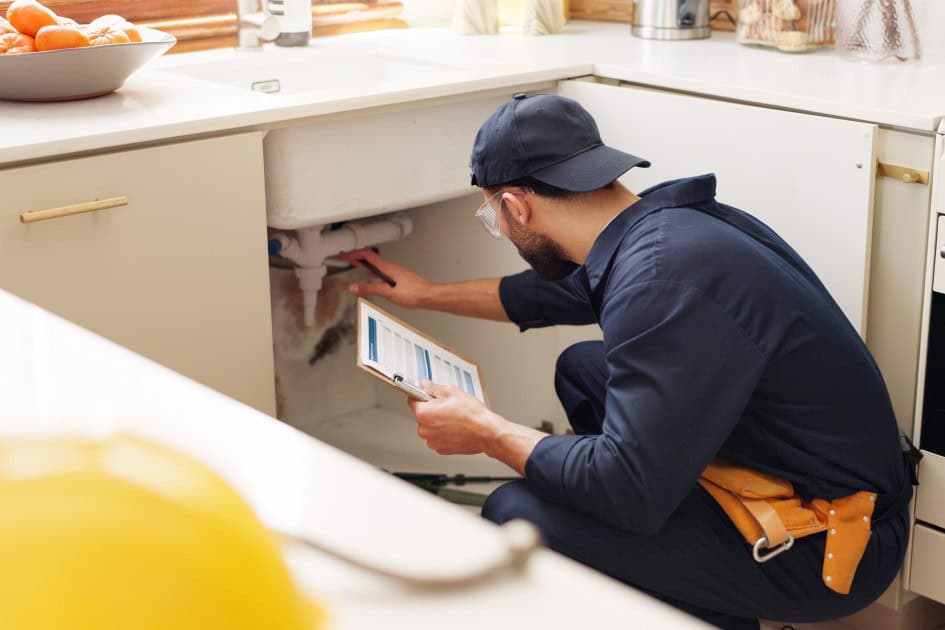
8. Who should provide an estimate for these repairs?
Home inspection reports identify observed conditions but may not include repair costs. Ask whether your inspector can offer general context about the likely scope of work, but obtain written estimates from appropriately qualified contractors or specialists before relying on a specific figure.
Professional estimates can help you understand the potential expense, plan your budget, and approach any repair or credit negotiations with better information.
Bill Ostoyic notes that understanding repair costs and the scope of work can help buyers avoid overpaying for repairs and hire the right contractor. Having this information can also make negotiations with the seller more productive because you’ll have informed estimates rather than guesses.
9. What’s routine maintenance versus deferred maintenance?
Every home requires ongoing maintenance, but there’s a difference between keeping up with routine tasks and fixing neglected problems.
Maxwell Home Inspection Services explains, “Understanding the difference between routine maintenance, deferred maintenance, and major defects helps buyers make informed decisions and avoid unexpected expenses after closing.”
For example, replacing HVAC filters is routine maintenance. Peeling exterior paint or deteriorated caulk may indicate deferred maintenance, while active roof leaks or signs of significant foundation movement may require prompt evaluation and repair.
10. Should repaired items be reinspected?
If the seller agrees to complete repairs before closing, don’t assume everything was done correctly. Jim and Laura Troth offer one final recommendation. “Don’t forget to have the repaired items reinspected to make sure they were done properly.”
A follow-up inspection may help verify that the specified items were addressed and identify visible concerns with the completed work. Buyers should also request invoices, warranties, permits, and other relevant documentation when applicable. As Maxwell Home Inspection Services puts it, “A quality home inspection is not just about identifying issues. It is about educating buyers so they understand the home’s condition and can move forward with confidence.”
Read >> 10 Most Common Home Inspection Problems Buyers Should Know