When you’re a first-time homebuyer, there’s already a lot to figure out – like using a home affordability calculator, setting a budget, and understanding your monthly costs. Once you finally move in, it’s tempting to jump straight into design upgrades and dream renovations. But knowing how to prioritize home renovations can save you money, reduce stress, and help you make smarter long-term decisions. The goal isn’t to do everything at once; it’s to focus on what matters most, in the right order.
Whether you’re buying a home in Tucson, AZ, or purchasing a townhouse in Denver, CO, this guide will help you cut through the noise and focus on what really matters. No matter the market or property type, the right renovation priorities can help you protect your investment, improve your day-to-day living, and make confident decisions from the start.
1. Set a budget and plan your timeline
Before starting any renovations, set a realistic budget and expect the unexpected. It’s smart to reserve an extra 1-4% for surprise repairs, especially in older homes where hidden issues can surface quickly.
To stay organized, prioritize projects in three tiers: urgent (safety or damage-related), necessary (functionality and daily living), and optional (cosmetic upgrades). A home inspection report can help guide these decisions and prevent costly missteps.
It’s also important to pace yourself. While smaller updates can be done quickly, larger renovations take time and planning. Living in your home for a few months before tackling major projects can help you better understand what changes matter most. Taking a phased approach allows you to manage costs, reduce stress, and make smarter long-term decisions.
2. Start with what protects your home
The most important renovations are the ones you can’t always see. Before tackling cosmetic upgrades, focus on core systems and structural integrity. That means evaluating your roof, foundation, plumbing, electrical, and HVAC. If any of these need attention, they should come first. These projects protect your home’s value and prevent more expensive issues down the line, making it the best place to start.
There’s a difference between improving your home and fixing what’s broken. Repairs like leaks, faulty wiring, or damaged flooring should always take priority over aesthetic changes.
“For first-time homeowners, the smartest approach is to prioritize function before finishes,” the team at KC’s Improvement & Construction Co. Inc. recommends. “Focus first on anything that affects safety, structure, or daily livability. Things like roofing, plumbing, electrical, or moisture issues, before jumping into cosmetic upgrades. Once the home is stable, invest in improvements that enhance how you live in the space, such as kitchen or bathroom updates, while keeping long-term value in mind. The biggest mistake we see is homeowners rushing into aesthetic changes without a clear plan, which often leads to rework and unnecessary costs. A thoughtful, phased approach always delivers better results and a better experience.”
3. Go for high-impact, budget-friendly updates
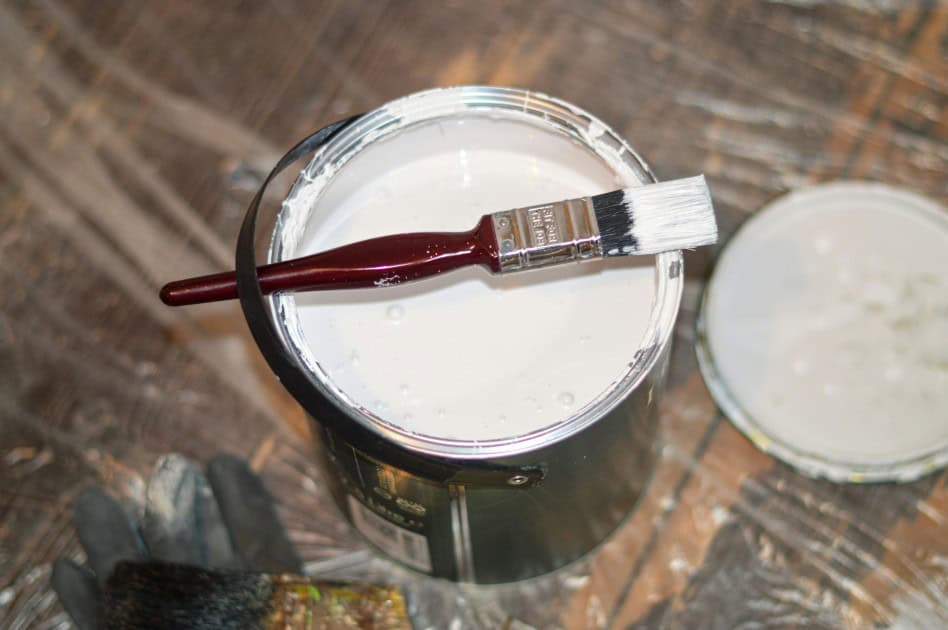
Not all renovations require a major investment. Some of the most effective upgrades are also the most affordable. Upgrades like fresh paint, updated fixtures, new cabinet hardware, and improved lighting can dramatically transform a space.
“If you’re a first-time homeowner, start with a high-impact project that builds confidence in ‘doing it yourself’ (DIY) without creating overwhelm,” the team at Liquid Rubber explains. “A great example is doing a deck refresh. Many homeowners default to deck painting for this, but using a weather-proof deck sealant or coating instead gives you a flexible surface resistant to water and sun damage. This allows your deck refresh project to last much longer than any deck paint. In fact, high-quality coatings can be up to 10x stronger than traditional deck paint and help you avoid redoing the job every year. Choosing longer-lasting solutions like this is an easy way to make your to-do list a little shorter each year.”
4. Consider long-term value
If resale value is on your mind, prioritize renovations known for strong return on investment. Kitchens, bathrooms, energy-efficient upgrades, and curb appeal improvements tend to offer the best returns. That said, your personal comfort still matters. A renovation that improves your quality of life can be just as valuable as one that boosts resale price.
Common high-ROI upgrades include:
- Minor kitchen remodel, such as cabinet refacing, new countertops, updated appliances
- Bathroom updates such as new fixtures, vanities, or tile
- Energy-efficient improvements such as windows, insulation, and smart thermostats
- Fresh interior and exterior paint
- Landscaping and curb appeal enhancements
- Replacing or upgrading garage doors and entry doors
- Adding usable living space, such as finished basements or attics
5. Plan large projects in phases
Bigger renovations, like a full kitchen remodel or adding square footage, don’t need to happen immediately. Instead, it’s better to break them into phases based on urgency and budget.
For example, you might start by updating appliances and finishes before committing to a full renovation later. Phasing projects helps you stay financially flexible and avoid overwhelm. It also gives you time to live in the space and better understand what changes will actually make the biggest impact.
Where to start, and what can wait
Knowing how to prioritize home renovations comes down to a simple order: protect your home, fix what’s broken, improve how you live, and then enhance aesthetics. By taking a thoughtful, step-by-step approach, you can make steady progress without overspending or taking on too much at once.