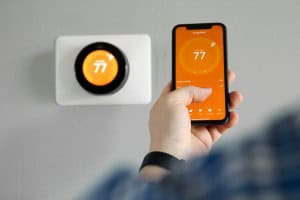
Utility bills can quickly add up, especially as homeowners rely more on heating, cooling, electronics, and smart devices throughout the day. The good news is that modern home technology offers practical and affordable ways to save energy without sacrificing comfort. From smart thermostats to motion-sensor lighting, small home upgrades can lead to meaningful savings over time.
Whether you live in a house in Richmond, VA or an apartment in Brooklyn, NY, investing in sustainable in-home technology can also increase long-term property value. Here are some of the smartest ways to reduce utility costs while making your home more energy-conscious.
1. Use smart thermostats to cut heating and cooling costs
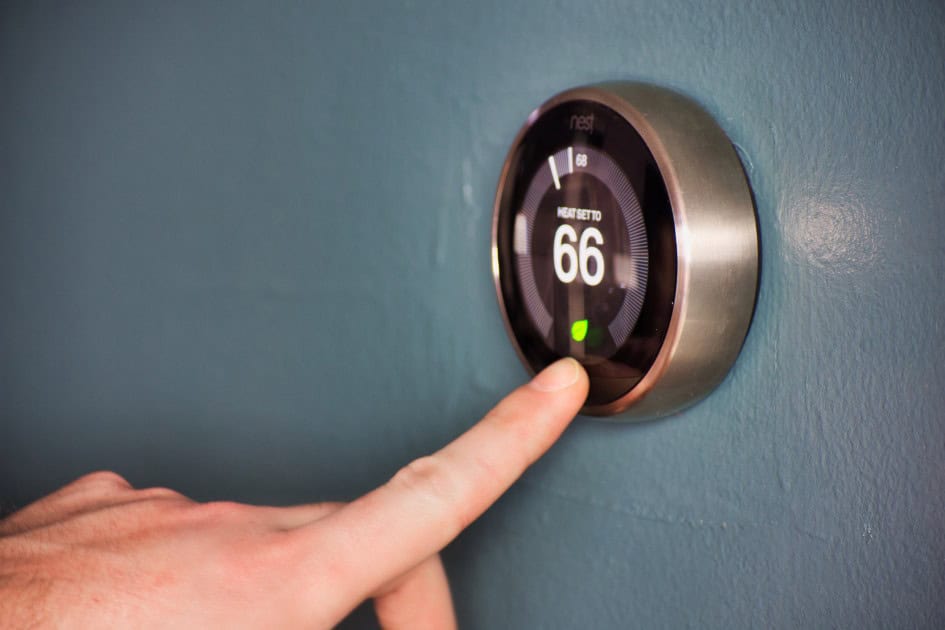
Heating and cooling make up a major portion of household energy use, which is why upgrading your temperature controls can have a big impact on your monthly bills.
Kate Colarulli, Chief Strategy Officer at CleanChoice Energy, explains, “On average, more than half of residential energy consumption comes from heating and cooling. This means that being smart with your thermostat is one of the most effective ways you can reduce your energy usage.”
Instead of constantly running your HVAC system throughout the day, smart thermostats help automate temperature changes based on your routine. Colarulli adds, “Consider installing a smart thermostat that can adjust the temperature based on the current weather and at night while you’re asleep. Smart thermostats can also adjust the home’s temperature when you are away so you aren’t using as much energy to cool a home that’s empty.”
Smart thermostats also pair well with upgraded HVAC systems. Iris Joaquin Serrato from As You Wish Electric, Plumbing, Heating & Air explains, “HVAC upgrades like smart thermostats and high-efficiency heat pumps improve comfort while reducing energy use.” These upgrades not only lower energy consumption but can also help maintain more consistent indoor temperatures throughout the year.
2. Lower lighting costs with LEDs and smart controls
Lighting is another area where homeowners can reduce unnecessary energy use with relatively simple upgrades.
Jimmie, master electrician at Electric Doctor, says, “One of the most effective ways to lower your utility bill is replacing traditional switches with smart dimmers and swapping old bulbs for dimmable LEDs.”
LED bulbs already use far less electricity than traditional incandescent lighting, but adding dimmers can reduce consumption even further. Jimmie explains, “Dimming an LED by just 25% significantly reduces energy consumption while extending the bulb’s lifespan.”
Motion-sensor lighting is another smart way to prevent wasted electricity in areas where lights are often forgotten. “For secondary spaces like garages and walk-in closets, installing motion-sensor switches ensures lights are never left on needlessly,” says Jimmie.
Similarly, Super Electric of Reno & Sparks notes, “Switching to LED lighting, adding a smart thermostat, and using energy-efficient electrical setups helps cut down wasted power every day.” The company also points out that “simple things like putting lights and devices on controls or timers make a big difference over time.”
For busy households, automated lighting controls can help reduce energy waste without requiring homeowners to constantly remember to turn things off.
3. Run appliances during off-peak hours
Another easy way to save energy is adjusting when you use high-energy appliances.
According to Colarulli, “One way to help save energy and money at home is to use appliances like your washing machine during non-peak energy hours. Peak hours are typically late afternoon and evenings, around 4 pm to 9 pm”
Running appliances outside peak hours can help reduce strain on the electrical grid while lowering electricity costs in areas with time-of-use energy rates. Colarulli also recommends changing how laundry is done. “You can also save additional energy by using cold water to wash your clothes.”
Many newer appliances already include built-in scheduling options that help automate energy-saving habits. “Many modern appliances offer ‘delay start’ or ‘scheduled end’ settings, which make it easier to avoid high energy consumption during peak hours,” Colarulli explains.
For homeowners with older appliances, smart plugs can be used to automate usage as long as the appliance is safe to operate unattended. As Colarulli puts it, “Even moving one or two high-energy tasks, like running the dishwasher, washing machine, or dryer out of peak hours can make a noticeable difference over time.”
4. Upgrade your home’s electrical system for better efficiency
Modern electrical upgrades can help homeowners gain better control over how energy is used throughout the home.
City Electric Supply explains, “We help bring more efficient solutions into the home using products people rely on every day, while supporting both the professionals who install them and the homeowners who use them.”
The company highlights several energy-saving technologies, including “smart thermostats that adjust based on occupancy, lighting controls that automatically turn off when spaces are not in use, EV chargers that help manage load demand, and upgraded electrical panels that support higher-capacity systems.”
These upgrades give homeowners more visibility into energy use while preparing homes for future technology needs. City Electric Supply adds, “Together, these components provide better visibility and control over energy use while also preparing the home for future upgrades.”
For homeowners planning long-term home improvements, upgrading an electrical panel can also support future additions like solar panels, battery storage systems, or electric vehicle chargers.
5. Prepare your home for long-term energy savings
As more homeowners adopt electric vehicles and renewable energy systems, energy-efficient infrastructure is becoming increasingly important.
Super Electric of Reno & Sparks explains, “For bigger savings, EV chargers and solar-ready setups can really reduce long-term energy costs.” Installing an EV charger at home can help homeowners take advantage of lower overnight charging rates, while solar-ready systems make future solar installations easier and more affordable.
City Electric Supply also notes, “When paired with solar or battery storage, EV chargers can help shift when and how energy is used, reducing strain on the system and lowering utility costs over time.” These types of upgrades can improve both energy efficiency and long-term home value.
6. Reduce water waste with smart plumbing upgrades
Lowering utility bills is not just about electricity. Water-saving upgrades can also make a noticeable difference in monthly expenses.
Seattle-based As You Wish Electric, Plumbing, Heating & Air explains, “Electrical improvements such as new panels, LED lighting, and at-home EV chargers help better manage power consumption. Plumbing upgrades like water-saving fixtures, high-efficiency water heaters, and leak detection systems can significantly reduce water waste.”
Leak detection systems are especially useful because hidden leaks can quietly waste large amounts of water over time. Water-efficient fixtures and high-efficiency water heaters also reduce the amount of energy required to heat and distribute water throughout the home.
How does smart home technology save energy?
One of the biggest advantages of smart home technology is that it reduces wasted energy automatically. Instead of relying on homeowners to constantly adjust thermostats, turn off lights, or monitor appliance usage, smart systems help optimize energy consumption in real time.
Many of these systems work by tracking occupancy, scheduling usage during lower-demand hours, or automatically powering down devices when they are not needed. This helps homeowners lower utility bills without changing their daily routines too drastically.
According to City Electric Supply, “Together, these components provide better visibility and control over energy use while also preparing the home for future upgrades.” By combining several of these home upgrades, homeowners can create a more efficient home that uses less energy every day.
Build a smarter and more efficient home
Creating a more energy-efficient home does not always require a major renovation. Often, combining smaller upgrades like LED lighting, smart thermostats, appliance scheduling, and automated controls can create meaningful savings over time. For homeowners searching for reliable ways to save energy, smart home technology offers a practical path on starting to save money on utility bills.